Uranus in Varuṇa and the Clarity of Water
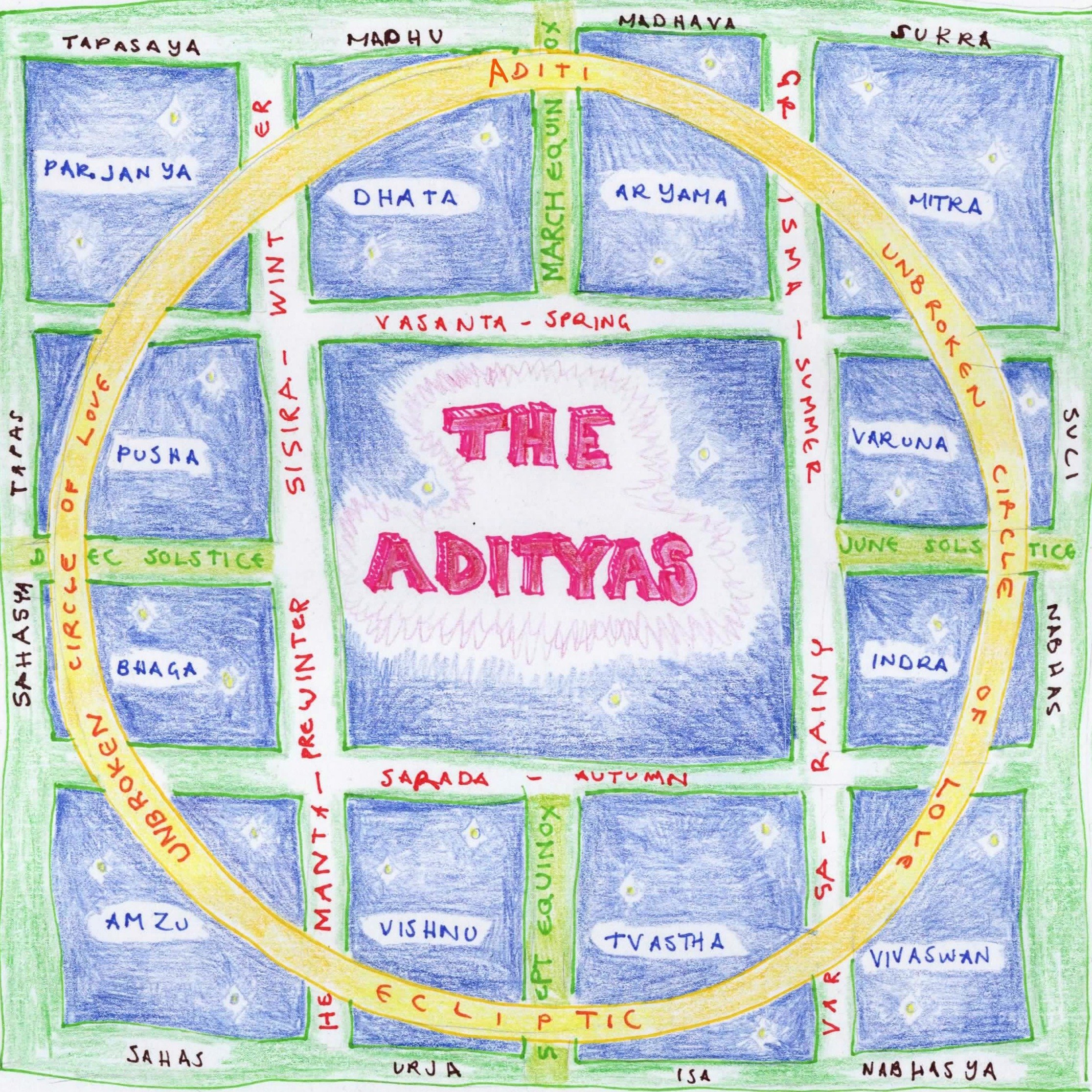
Uranus conjuncts Sun and Mercury in Varuṇa this month, stirring a revolution of consciousness across the water signs. In this episode, Laura Barat and I explore the shifting cosmic waters of June 2026 — a month shaped by conjunctions, squares, trines, and the powerful entrance of Uranus into Varuṇa, the Aditya of all‑encompassing love and oceanic consciousness. We begin by revisiting the recent Saturn–Mars conjunction before turning toward the major movements of the month: • Uranus joined by the Sun and Mercury in Varuṇa, opening a tidal‑wave moment for awakening, emotional intelligence, and becoming a truer version of ourselves • How the Moon’s Horā amplifies the intuitive, receptive quality of these conjunctions • The New Moon in Varuṇa, activating 7th–8th house themes of partnership, alliances, shared resources, and deep transformation • A Uranus–Pluto trine across the Apsarā portions of the water signs, signalling change through feeling, intuition, and emotional truth • The Mars–Pluto square that brings pressure and revelation • The Venus–Saturn square that attempts to stabilise the field, even imperfectly • A preview of the Venus–Jupiter conjunction in Indra, where indulgence, visibility, and karmic transparency rise to the surface We close with reflections on the southern night sky, the vastness of Varuṇa, and the reminder that astrology is not just a pastime, it is a way of participating in the living cosmos as it moves, breathes, and transforms. 00:00 Fiona's Adityas Podcast - 0106 Predicting with Adityas with Laura Barat - June 2026 Edition 00:07 Preview / Coming up ... 01:04 Welcome and Recap 02:51 Uranus conjunctions in the early degrees of Varuna 04:34 Varuna Apsara 05:33 Sun-Uranus Conjunctions 08:07 Sun-Mercury Conjunction in Varuna 14:10 Jaimini Indicators of Varuna 15:53 New Moon in Varuna 18:36 Uranus-Pluto Trine 33:21 Mars-Pluto Square 26 May 36:08 Venus-Saturn Square 37:56 Venus-Jupiter conjunction in Indra 44:11 Previous New Moon in Mitra 48:07 Farewell and Conclusion